How to Hack CCTV Cameras: What You Should Know to Prevent Attacks
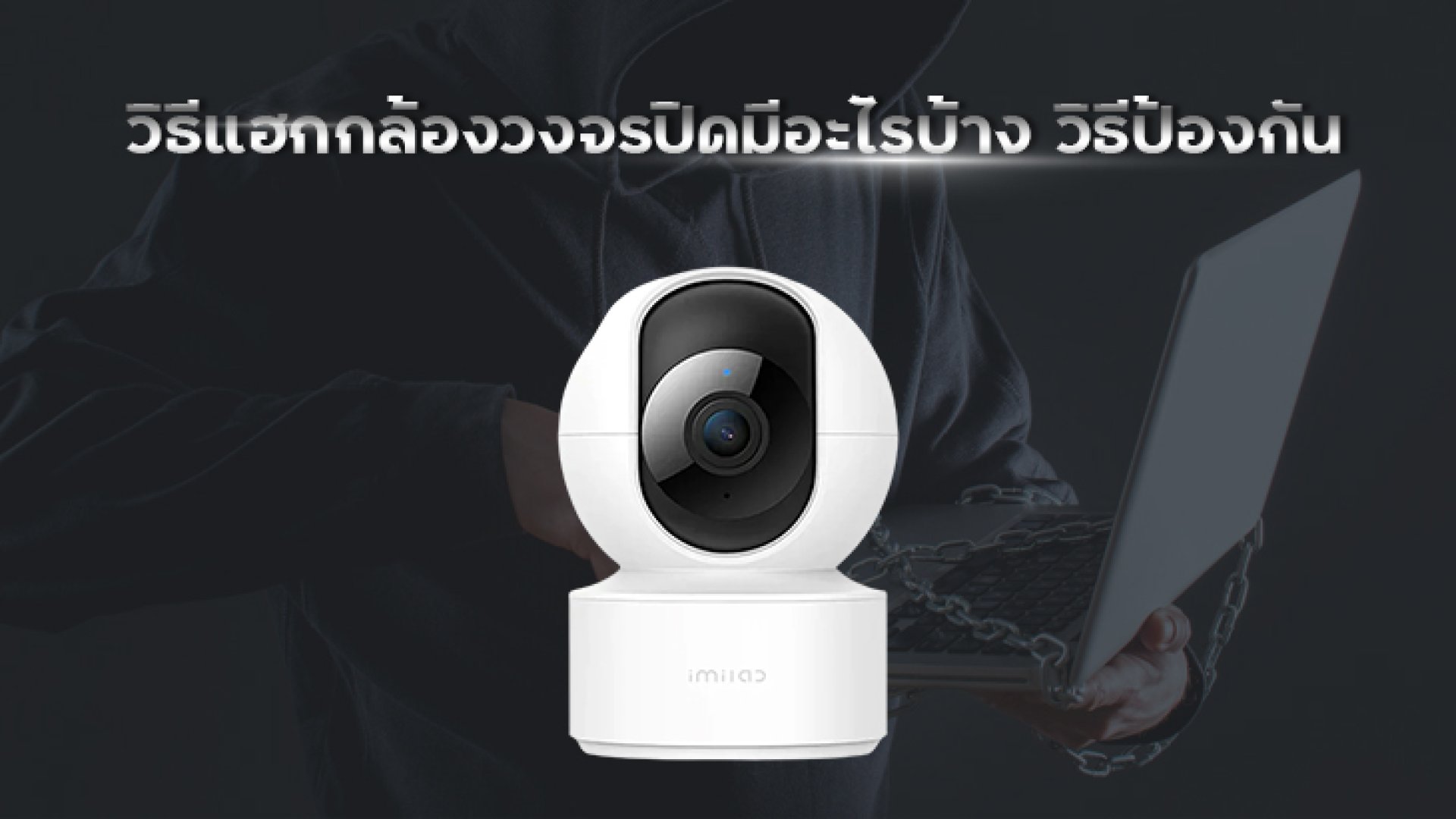
Modern CCTV systems are no longer just standalone recording devices. Todays IP cameras are smart, internet-connected devices that allow remote viewing, cloud storage, and integration with smart home ecosystems.
While these features provide convenience and flexibility, they also introduce cybersecurity risks. Many users search for how to hack IP camera out of curiosity, but the more important focus should be understanding how vulnerabilities occur and how to prevent unauthorized access.
This article explains the most common security weaknesses found in IP camera systems and provides practical protection methods to improve your CCTV security.
Disclaimer: This article is for cybersecurity education and defensive security awareness only. It does not promote or support unauthorized access to any device or system.
Why IP Cameras Become Cybersecurity Targets
IP cameras are often targeted because they are continuously connected to the internet and may contain weak security configurations. If not properly secured, attackers may attempt to:
- Access live video feeds without permission
- Invade user privacy inside homes or offices
- Exploit the camera to access internal networks
- Use compromised devices in botnet attacks
- Steal recorded footage or sensitive data
For this reason, securing your camera system from the initial setup stage is essential.
1. Weak or Predictable Passwords
One of the most common vulnerabilities is the use of weak passwords such as:
- 123456
- password
- admin123
- birthdates or phone numbers
How to Prevent It
- Use at least 1216 characters
- Combine uppercase, lowercase, numbers, and symbols
- Avoid personal information
- Change passwords regularly
2. Outdated Firmware
Manufacturers regularly release firmware updates to fix security vulnerabilities. Ignoring these updates may leave devices exposed.
How to Prevent It
- Check for firmware updates regularly
- Enable automatic updates if available
- Download updates only from official sources
3. Insecure Wi-Fi Networks
If the Wi-Fi network connected to the camera is weakly protected, attackers may gain unauthorized access.
How to Prevent It
- Use WPA2 or WPA3 encryption
- Set a strong Wi-Fi password
- Disable WPS
- Separate IoT devices from main networks
4. Excessive Account Sharing
Sharing a single account among multiple users increases security risks and reduces control over access permissions.
How to Prevent It
- Create individual user accounts when possible
- Assign limited permissions
- Remove unused accounts immediately
5. Lack of Two-Factor Authentication (2FA)
Two-factor authentication adds an extra layer of security by requiring a secondary verification step beyond the password.
How to Prevent It
- Enable 2FA whenever supported
- Use authentication apps or OTP verification
Security Warning Signs Your IP Camera May Be Compromised
- Camera moves or rotates unexpectedly
- Frequent unknown login notifications
- Device restarts without user input
- Unknown devices connected to the account
- Unusual network slowdowns
What to Do If Your IP Camera Is Hacked
- Immediately change all passwords
- Reset the camera to factory settings
- Update firmware to the latest version
- Review all connected devices and sessions
- Change your Wi-Fi password
- Enable Two-Factor Authentication
Conclusion
While many users search for how to hack IP camera, the real priority should be understanding vulnerabilities and strengthening security.
Strong passwords, regular firmware updates, secure Wi-Fi configuration, and enabling two-factor authentication are essential steps to protect your surveillance system from cyber threats.
With proper security practices, IP cameras can effectively enhance home and business safety without compromising privacy.
References
- OWASP Internet of Things Project IoT security guidelines and best practices
- CISA IoT Security Official cybersecurity recommendations for connected devices
- NIST IoT Cybersecurity Program Security standards for IoT ecosystems
- FTC Home Wi-Fi Security Guide Protecting smart home networks
- Kaspersky IP Camera Security Guide Practical CCTV protection methods