Can CCTV Cameras Detect Sound? How Does Sound Detection Work?
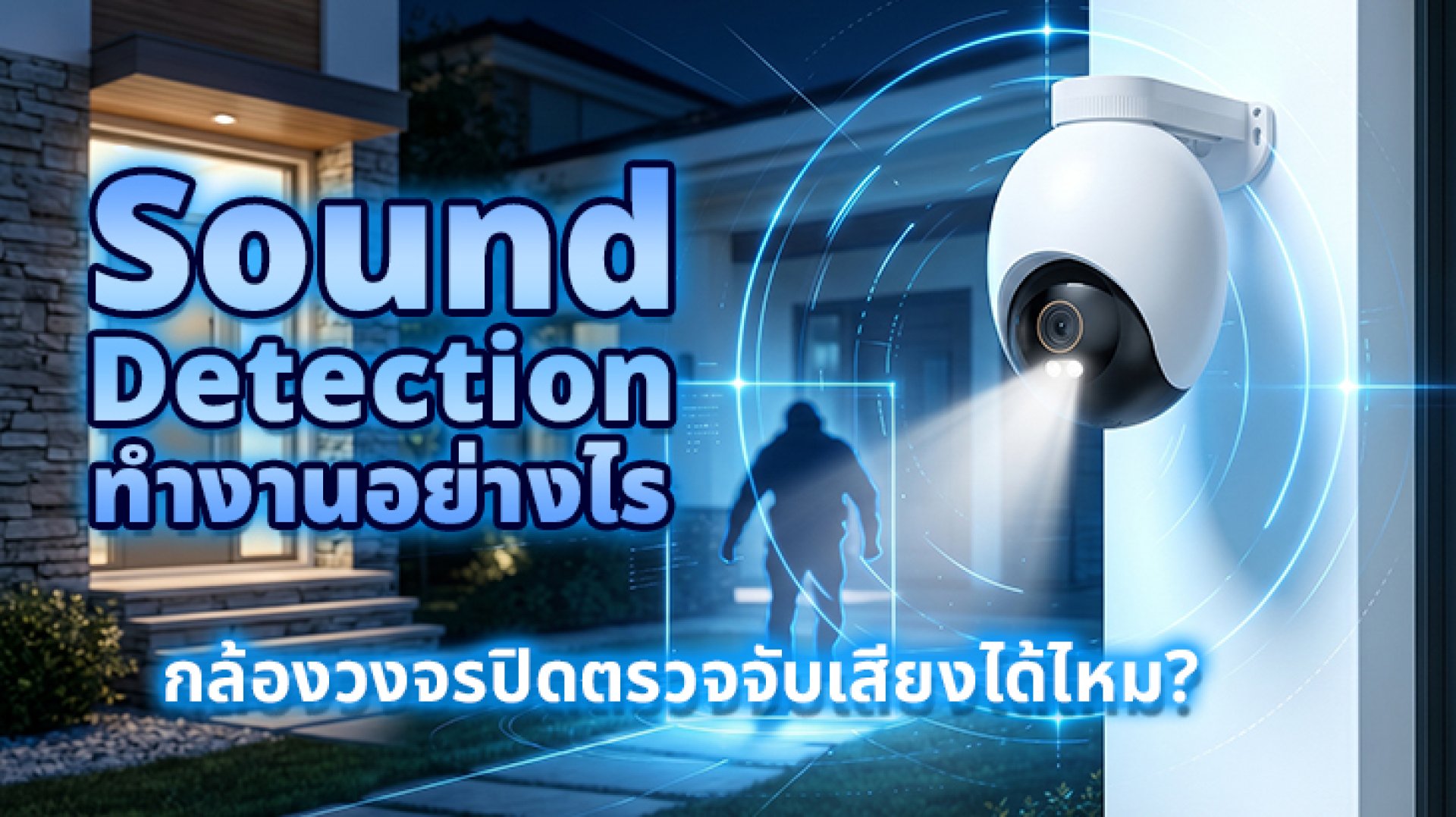
Modern CCTV cameras are no longer designed to simply record what they can see. Many smart security cameras also include microphones, audio analysis, and Sound Detection features that can help detect unusual sounds and send alerts to a smartphone.
But how well can a CCTV camera detect sound? What types of sounds can it detect? How is Sound Detection different from Motion Detection? And does every camera with a microphone support sound detection?
This article explains how CCTV Sound Detection works, what it can be used for, and what you should check before choosing a security camera with audio detection.
Can CCTV Cameras Detect Sound?
Yes, some CCTV cameras can detect sound if they have a microphone and support a Sound Detection or Audio Detection feature.
The camera uses its microphone to capture sounds from the surrounding environment. Depending on the camera model, the system may analyze sound intensity, sudden changes in volume, or specific types of sound events.
When the detected sound matches the configured conditions, the camera can create an event and, on supported systems, send an alert to the user's smartphone.
For example, the IMILAB C22 lists AI Detection that can notify users when a person or noise is detected, with detection sensitivity adjustable through the app.
What Is Sound Detection?
Sound Detection is a security feature that uses a microphone and audio-processing technology to monitor sounds around a camera and identify events that match predefined conditions.
In simple terms:
Motion Detection = the camera detects movement.
Sound Detection = the camera detects an audio event.
These two technologies can work together. A camera may detect movement within its field of view while Sound Detection can provide additional information about what is happening through audio.
How Does CCTV Sound Detection Work?
The exact technology varies by camera model, but the basic process can be explained in several steps.
1. The Microphone Captures Sound
The camera's built-in microphone captures audio from the surrounding environment, such as conversations, background noise, impacts, or other sounds.
The microphone is the hardware that collects the audio signal. It does not automatically mean that the camera has intelligent Sound Detection.
2. The System Analyzes the Audio
The camera or connected software processes the captured audio and evaluates characteristics such as sound intensity or changes in the audio signal.
Some systems are designed to detect sudden increases or decreases in sound intensity rather than identify exactly what caused the sound.
For example, Hikvision network-camera documentation describes Audio Exception Detection that can detect sudden increases or decreases in sound intensity. Supported models can also provide Sensitivity and Sound Intensity Threshold settings.
3. The System Checks the Detection Conditions
If the sound meets the configured detection conditions, the system can generate an event.
For example, a camera installed in a normally quiet room may be configured to react when the sound level suddenly rises above a defined threshold.
The exact behavior depends on the model, firmware, and detection technology.
4. The Camera or App Generates an Alert
Once a sound event has been detected, a supported camera system may record an event, trigger an alarm, or send a notification through its mobile application.
Not every camera supports every type of response, so the specifications should be checked for the specific model.
What Sounds Can a CCTV Camera Detect?
This is where it is important to distinguish between different levels of Sound Detection.
Some cameras primarily detect changes in sound intensity, while more advanced AI audio systems can identify specific sound categories.
Depending on the system, examples may include:
- Sudden loud sounds
- Sudden changes in sound intensity
- Glass-breaking sounds
- Crying sounds
- Screams or panic-related sounds
- Other predefined audio events
For example, Hikvision documentation for certain camera models lists features such as glass-break, scream, and crying-sound detection, while other models provide more basic Audio Exception Detection. This shows why the actual specifications of each camera model matter.
Sound Detection vs Motion Detection: What Is the Difference?
| Feature | Sound Detection | Motion Detection |
|---|---|---|
| Primary input | Audio | Video |
| Main hardware | Microphone | Camera sensor |
| Typical detection | Sound changes or specific sound events | Movement or changes in the image |
| Can provide information beyond the camera view? | Potentially, because sound is not limited to the lens field of view | Generally requires the object to appear within the camera's view |
| Typical alert | Sound event detected | Motion or target detected |
The important point is that Sound Detection does not replace Motion Detection. They provide different types of information and can complement each other.
Why Is Sound Detection Useful?
Imagine a camera installed in a living room. The camera can only see the area covered by its lens, but sound can travel beyond that visual field.
This means audio can provide an additional signal that something may have happened nearby, even when the source of the sound is not clearly visible in the camera image.
Hikvision describes sound as an additional source of security information because sound can provide an omnidirectional warning signal, while a camera's visual information is limited by where the lens is pointing.
More advanced audio-analysis systems can also classify specific sound events rather than simply detecting that the environment became louder.
Real-World Uses of Sound Detection at Home
1. Baby Monitoring
Some security cameras can use sound-related detection as an additional monitoring feature for babies or children.
However, parents should check whether the specific model actually supports crying or baby-sound detection rather than assuming that every microphone-equipped camera has this capability.
2. Living Rooms
Living rooms can contain televisions, people, pets, and many other sources of sound. Sound Detection can provide another event signal that users can check through Live View when an unusual audio event occurs.
3. Storage Areas
A storage room or another area with limited activity may benefit from sound-based alerts because unusual sounds can provide an additional reason to check the camera.
4. Elderly Care
Sound-related detection can also be used as an additional monitoring layer for elderly family members at home.
However, Sound Detection should not be treated as a replacement for emergency monitoring or professional care. Its effectiveness depends on the camera, environment, microphone performance, and detection algorithm.
Can Sound Detection Cause False Alerts?
Yes. Sound Detection can generate unwanted alerts when the environment contains frequent or unpredictable noise.
Examples include:
- Television audio
- Vacuum cleaners
- Dogs barking
- Traffic noise
- People talking
- Doors closing
- Household appliances
- Objects being moved or dropped
If the detection threshold is too sensitive, normal household activity may trigger alerts.
Some systems therefore allow users to adjust Sensitivity and Sound Intensity Threshold. Hikvision recommends considering the normal sound level of the environment when configuring these settings.
How Should You Set Up Sound Detection?
There is no single sensitivity setting that works for every home because background noise differs from one location to another.
A practical approach is:
- Enable Sound Detection in the camera app or camera settings.
- Start with a moderate sensitivity level if available.
- Observe alerts during normal daily activity.
- If there are too many false alerts, reduce sensitivity or adjust the threshold.
- If important sounds are missed, increase the sensitivity or adjust the threshold.
- Test the system during both daytime and nighttime.
For systems that provide a Sound Intensity Threshold, the normal background sound level of the installation area is an important reference. Hikvision documentation specifically recommends using the environment's average sound intensity as a reference when configuring the threshold.
Does Every CCTV Camera With a Microphone Support Sound Detection?
No.
A microphone and Sound Detection are two different things.
A microphone may simply allow the camera to record or transmit audio for Two-Way Audio. Sound Detection requires additional software or firmware functionality that analyzes the captured audio.
Therefore, before buying a camera, check whether its specifications specifically mention features such as:
- Sound Detection
- Audio Detection
- Abnormal Sound Detection
- Audio Exception Detection
- Sound Event Detection
The exact terminology varies between manufacturers.
IMILAB C22 and Sound Detection
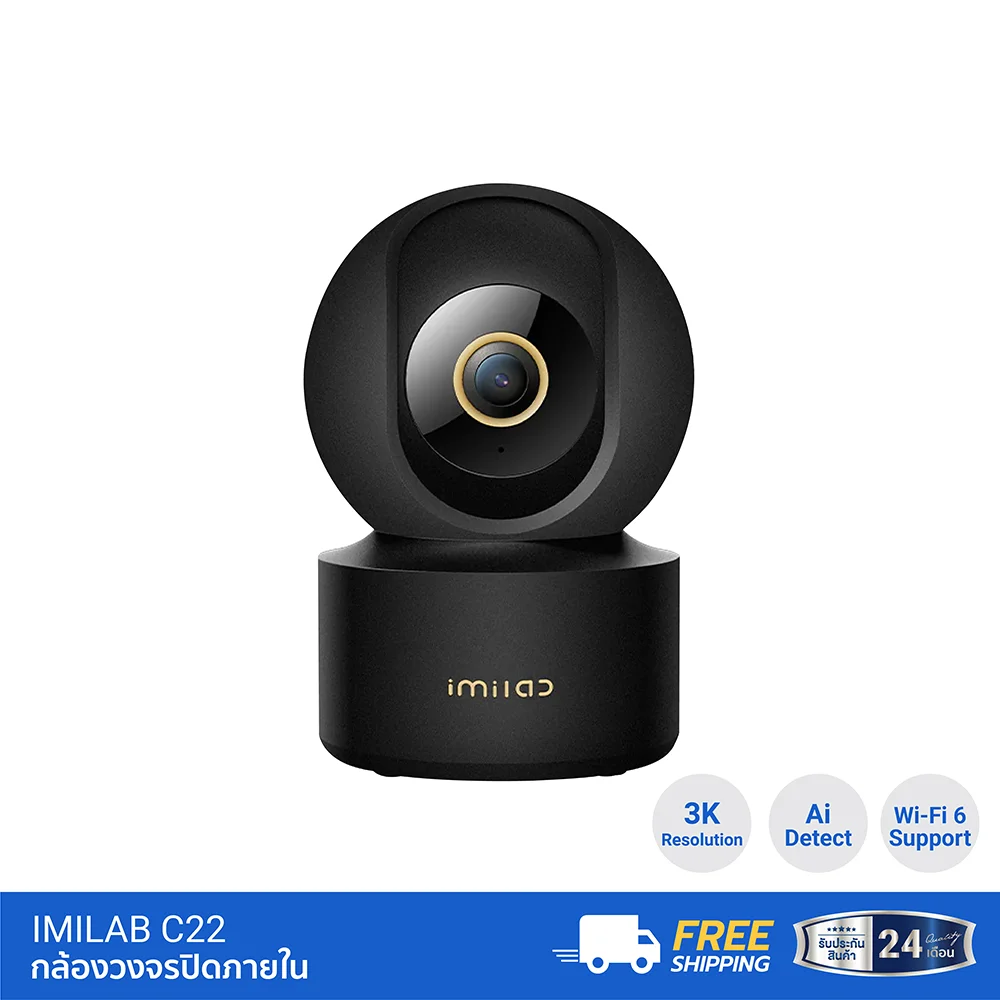
The IMILAB C22 is an example of a smart indoor camera that combines video and audio-related features.
Its official product information lists Two-Way Audio and AI Detection, including notifications when a person or noise is detected. The detection sensitivity can also be adjusted through the app.
This illustrates an important distinction: a smart camera can use audio as one of several detection signals alongside video-based functions such as motion detection.
Who Can Benefit From Sound Detection?
Sound Detection can be useful for people who want their CCTV system to monitor more than visual movement alone, including:
- Families with young children
- Homes with elderly family members
- Pet owners
- People who want alerts for unusual sounds
- Homes that need an additional detection layer alongside Motion Detection
- Users who remotely monitor their homes through a smartphone
What Should You Check Before Buying a CCTV Camera With Sound Detection?
- Does it have a microphone? The camera needs an audio input.
- Does it actually support Sound Detection? Do not confuse it with Two-Way Audio.
- What type of sound can it detect? Some systems detect sound intensity changes, while others classify specific sound events.
- Can sensitivity be adjusted?
- Can the sound threshold be adjusted?
- Does it send mobile notifications?
- Does it record detected events?
- Does it include other AI detection features?
Sound Detection vs AI Sound Event Detection
These terms can sometimes be confusing because not every sound detection system uses AI in the same way.
A basic audio detection system may simply monitor whether the sound level suddenly becomes higher or lower than a configured threshold.
A more advanced AI Sound Event Detection system can analyze audio characteristics and classify particular sound events.
For example, some professional systems are designed to distinguish events such as glass breaking or other predefined sound categories.
Therefore, when comparing CCTV cameras, it is better to look at the exact detection functions rather than assuming that every product described as Sound Detection has the same capabilities.
Conclusion: Can CCTV Cameras Detect Sound?
Yes, CCTV cameras can detect sound when the camera and software support Sound Detection or Audio Detection.
The system typically uses a microphone to capture audio and then analyzes the sound according to the capabilities and settings of the specific camera. Some systems detect sudden changes in sound intensity, while more advanced solutions can identify specific sound events.
The main advantage is that audio provides another source of information alongside video. Sound can help identify an event even when the source is outside the camera's immediate field of view.
However, Sound Detection does not mean that every CCTV camera can understand every sound. Detection capabilities vary significantly between models, so always check the manufacturer's specifications before buying.
For a smart home security setup, combining Motion Detection + Human Detection + Sound Detection can provide multiple types of event information, with each feature serving a different purpose.
FAQ: CCTV Sound Detection
Can CCTV cameras detect sound?
Yes. A CCTV camera can detect sound if it has a microphone and supports Sound Detection or Audio Detection. Depending on the model, it may detect sound-level changes or specific sound events.
What is the difference between Sound Detection and Motion Detection?
Sound Detection analyzes audio, while Motion Detection analyzes movement in the camera's video image. They can work together as complementary detection features.
Can a CCTV camera detect a baby crying?
Some models support crying or baby-sound detection, but not every camera with a microphone has this feature. Check the specific product specifications before buying.
Can Sound Detection cause false alerts?
Yes. Background noise such as televisions, pets, traffic, appliances, or people talking can trigger unwanted alerts, especially when sensitivity is set too high.
Is a microphone the same as Sound Detection?
No. A microphone captures audio, while Sound Detection is a software or firmware feature that analyzes audio and creates detection events or alerts.
Related Articles
- Human Detection vs Motion Detection: What Is the Difference?
- What Is Auto-Tracking on a CCTV Camera?
- How Does AI Detection Work in CCTV Cameras?
- What Is the Best CCTV Camera for Elderly Care?
- What Is Two-Way Audio on a CCTV Camera?