How to Choose a Condo Security Camera Installation Tips, Viewing Angles, and Key Considerations
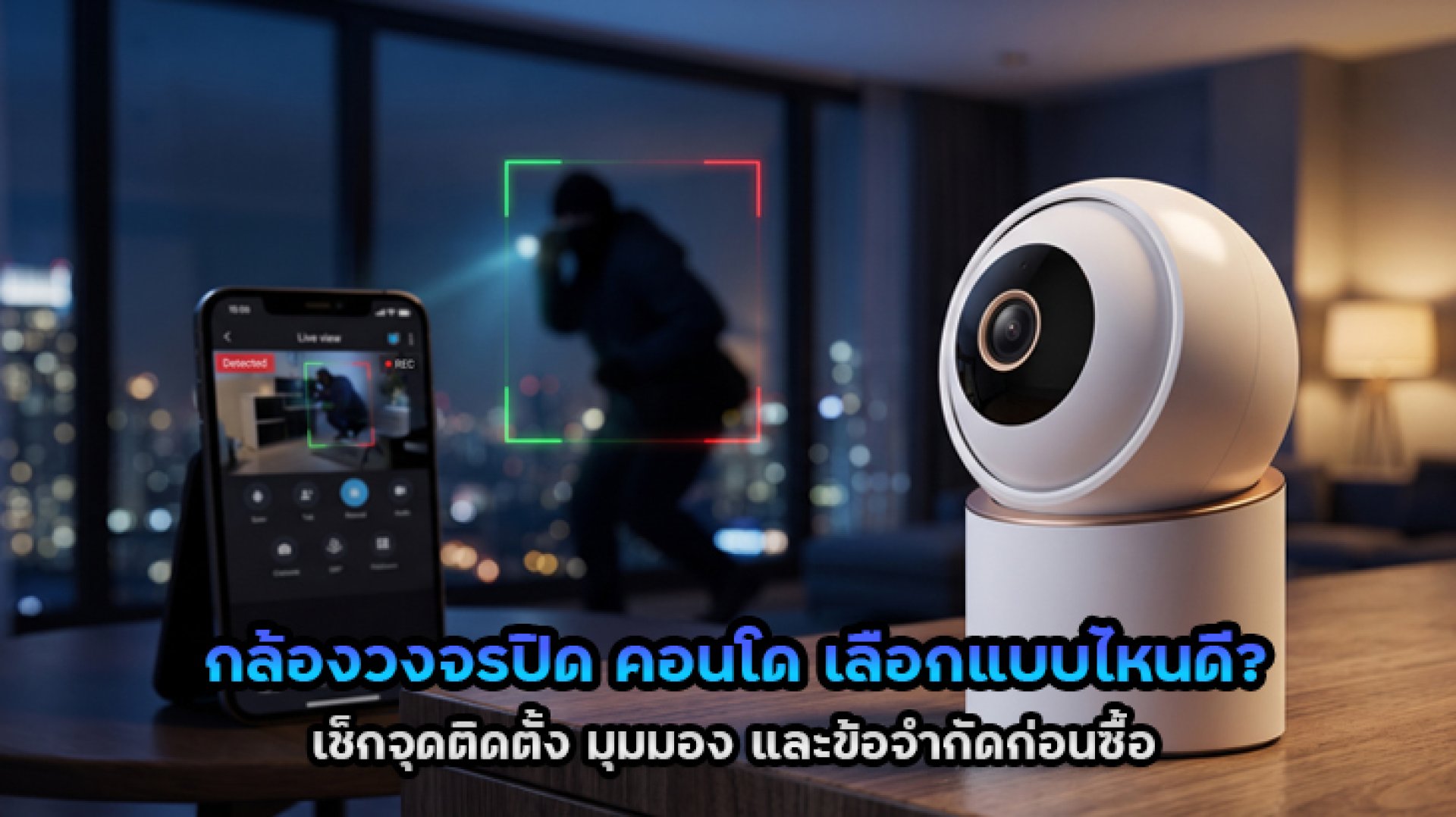
Choosing a condo security camera requires more than simply finding a camera with a high resolution. Condos usually have limited space, different room layouts, and restrictions on drilling or modifying walls. You also need to consider Wi-Fi coverage, camera placement, viewing angles, and privacy.
Whether you live in a studio, a one-bedroom condo, or a larger unit, the right camera should provide useful coverage without taking up too much space or creating unnecessary privacy concerns. This guide explains what to check before buying a condo security camera, including installation options and practical features for everyday use.
1. Why Do You Need a Different Security Camera for a Condo?
A condo has different security requirements from a detached house. You may only need to monitor the entrance, living area, or a specific corner of the room rather than a large outdoor area.
Before choosing a condo security camera, consider these common limitations:
- Limited space: A large camera or complicated mounting system may not be suitable for a small room.
- Rental restrictions: Some condominium owners or landlords do not allow drilling or permanent modifications.
- Wi-Fi coverage: Concrete walls, room layouts, and the distance from the router can affect the wireless signal.
- Privacy: Camera placement should respect other residents and avoid recording shared spaces unnecessarily.
- Power supply: Many indoor security cameras require continuous power, so you need to plan where the power adapter and cable will go.
Understanding these limitations first will help you avoid buying a camera with features that you may not actually need.
2. Choose a Condo Security Camera Based on Your Room Layout
The best condo security camera depends on the area you want to monitor. A compact studio has different coverage requirements from a one-bedroom unit with separate living and sleeping areas.
Studio Condos
Studio condos usually combine the bedroom, living room, and working area into one open space. A wide-angle indoor camera may be sufficient to monitor most of the room from a suitable corner.
Look for these features:
- Wide viewing angle to cover more of the room.
- Compact design that does not take up much space.
- Motion detection and smartphone notifications.
- Night vision for monitoring in low-light conditions.
One-Bedroom Condos
A one-bedroom condo has separate areas, so one camera may not provide complete coverage. You could place a camera in the living room to monitor the main entrance and common indoor area, then consider another camera if a separate room needs monitoring.
However, avoid placing cameras in private areas such as bathrooms or anywhere that could compromise another person's privacy.
Condos with a Balcony
If you want to monitor the balcony entrance or the area near a window, check whether the camera is designed for indoor or outdoor use. An indoor camera should not be installed in an exposed location where rain, humidity, or direct sunlight could damage it.
For outdoor-facing areas, choose a model with an appropriate weather-resistance rating and follow the building's installation rules.
3. Check the Viewing Angle Before Buying
The viewing angle determines how much of a room the camera can capture. A wider viewing angle can cover more space from a single position, which is useful in small condos.
However, a wide-angle lens does not automatically mean better image quality. If the camera is placed too far away, important details may still be difficult to identify.
| Camera Viewing Angle | Suitable Use |
|---|---|
| Narrow angle | Monitoring a specific doorway or small area |
| Medium angle | Monitoring a room or a section of a living area |
| Wide angle | Monitoring a larger area from one fixed position |
| Pan-and-tilt | Monitoring different directions by moving the camera remotely |
If you are choosing a fixed camera, check the lens specifications and consider the actual room dimensions. If you need to monitor different directions, a pan-and-tilt camera may be more practical.
4. Where Should You Install a Condo Security Camera?
Camera placement is just as important as camera specifications. Even a high-resolution camera may provide poor coverage if it is installed in the wrong position.
Common installation locations include:
Near the Main Entrance
Placing a camera inside the condo facing the entrance can help you monitor movement around the doorway. Make sure the camera captures the area you need without unnecessarily recording the corridor or neighboring rooms.
In the Living Room
The living room is often the main shared area of a condo. Installing a camera in an appropriate corner can help monitor the room while you are away.
Near Valuable Items
If you want to monitor a particular area containing valuable belongings, position the camera to capture that area clearly. Avoid placing it too far away or behind objects that could block the view.
Before fixing the camera in place, test the live view through the app. Check for blind spots, reflections, and objects that may obstruct the lens.
5. Can You Install a Condo Security Camera Without Drilling?
Yes. Many indoor cameras can be installed without drilling, making them suitable for condos and rental units. However, the installation method depends on the camera's mounting design and the surface where you plan to place it.
Common options include:
- Placing the camera on a shelf: A simple option that does not require modifying the wall.
- Using a suitable adhesive mount: Useful when the camera supports this mounting method. Check the surface and weight limitations first.
- Using a removable mounting bracket: Some brackets can be removed more easily than permanent wall fixtures.
- Using existing furniture: A cabinet or shelf may provide a suitable viewing position without additional installation work.
Before installing anything, check your rental agreement or condominium rules. Some adhesives can damage paint or wallpaper when removed, so a no-drill installation is not always damage-free.
If you are renting and expect to move in the future, see our guide on how to install a security camera without drilling for renters for more practical installation considerations.
6. Check Wi-Fi Signal Strength in Your Condo
Most Wi-Fi indoor security cameras need a stable wireless connection to send live footage and notifications to your smartphone. A camera may work well near the router but experience connection problems when installed in another room.
Before choosing a condo security camera, check the following:
- Is the camera compatible with your router's Wi-Fi band?
- Is the installation location too far from the router?
- Do concrete walls or furniture weaken the signal?
- Does the camera reconnect automatically after a temporary network interruption?
- Does the mobile app provide a stable live-view connection?
A useful tip is to test the Wi-Fi signal at the intended camera location before completing the installation. If the signal is weak, consider adjusting the router position or using a compatible Wi-Fi extender.
7. Which Features Are Important for a Condo Security Camera?
You do not need to pay for every available feature. Focus on functions that solve real problems in your living space.
| Feature | Why It Matters |
|---|---|
| High-resolution video | Helps capture clearer details in the monitored area. |
| Motion detection | Detects movement and can send alerts to your phone. |
| Night vision | Helps monitor the room in low-light conditions. |
| Two-way audio | Allows communication through the camera if the model supports it. |
| Pan-and-tilt | Allows you to change the viewing direction remotely. |
| MicroSD card recording | Provides local video storage when supported by the camera. |
| Privacy Masking | Helps block selected areas from being recorded or viewed. |
For most condo residents, clear video, reliable notifications, night vision, and convenient storage are good starting points. Additional features should depend on how you plan to use the camera.
8. Privacy Considerations When Installing a Condo Security Camera
Privacy is particularly important in condominium buildings because residents share corridors, elevators, and other common areas. Even if you install a camera inside your own unit, its viewing angle may extend beyond your private space.
To reduce unnecessary privacy risks:
- Position the camera to monitor your own room or entrance.
- Avoid pointing the camera directly into neighboring units.
- Do not record shared spaces unless you have a legitimate reason and comply with applicable rules.
- Use Privacy Masking if the camera supports it.
- Set a strong password and keep the camera firmware updated.
- Limit access to the camera account to people who need it.
Privacy Masking is especially useful when part of the camera's field of view includes an area you do not want to monitor. Check the model's app and specifications to confirm how this function works.
9. Common Mistakes When Choosing a Condo Security Camera
Before purchasing a camera, watch out for these common mistakes:
- Choosing resolution alone: High resolution cannot compensate for poor positioning or an obstructed view.
- Ignoring Wi-Fi coverage: A weak signal can interrupt live viewing and notifications.
- Forgetting the power cable: Many indoor cameras need continuous power, so plan the cable route before installation.
- Installing the camera too high or too low: An unsuitable position can reduce the usefulness of the footage.
- Ignoring privacy: A camera should monitor the intended area without unnecessarily capturing other people's private spaces.
- Not checking building rules: Drilling, adhesive mounts, and cameras facing shared areas may be subject to restrictions.
10. Condo Security Camera Buying Checklist
Use this checklist before making your decision:
- Does the viewing angle cover the area you want to monitor?
- Is the camera suitable for indoor installation?
- Is the Wi-Fi signal strong enough at the installation point?
- Is there a convenient power outlet nearby?
- Does the camera support the recording method you prefer?
- Can you view the camera remotely through a smartphone app?
- Does it provide the detection and notification features you need?
- Can you install it without violating rental or condominium rules?
- Can you adjust the viewing area to protect other people's privacy?
FAQ: Frequently Asked Questions About Condo Security Cameras
Can I install a security camera in a condo without drilling?
Yes. You can use a shelf, suitable adhesive mount, or removable bracket if the camera supports that installation method. Always check the surface and building rules before installing it.
Is one security camera enough for a condo?
It depends on the room layout and the area you want to monitor. One wide-angle camera may be sufficient for a studio, while a one-bedroom condo may need more than one camera to cover separate areas.
Where is the best place to install a condo security camera?
Common locations include a suitable position near the main entrance, a living-room corner, or an area containing valuable belongings. Choose a position that provides useful coverage while respecting privacy.
Does a condo security camera need Wi-Fi?
Many smart indoor cameras use Wi-Fi for remote viewing, smartphone notifications, and app-based controls. Check the product specifications because connection requirements vary by model.
Can I use an indoor security camera near a balcony?
You can use an indoor camera to monitor an area near a balcony door if it remains in a protected indoor position. Do not expose an indoor-only model to rain or outdoor conditions.
What is the most important feature when choosing a condo security camera?
Start with the viewing angle, video quality, Wi-Fi stability, and recording options. The best combination depends on your room layout and monitoring requirements.
Conclusion: Choose a Condo Security Camera That Fits Your Space
The best condo security camera is not necessarily the most expensive model or the one with the highest resolution. It is the camera that provides suitable coverage, connects reliably to your Wi-Fi network, fits your installation conditions, and respects the privacy of people around you.
Before buying, consider your room layout, viewing angle, power supply, installation restrictions, and recording requirements. A little planning can help you choose a camera that works effectively in your condo without unnecessary installation costs or privacy concerns.