Best CCTV Cameras for Small Shops: 5 Essential Security Camera Placement Tips
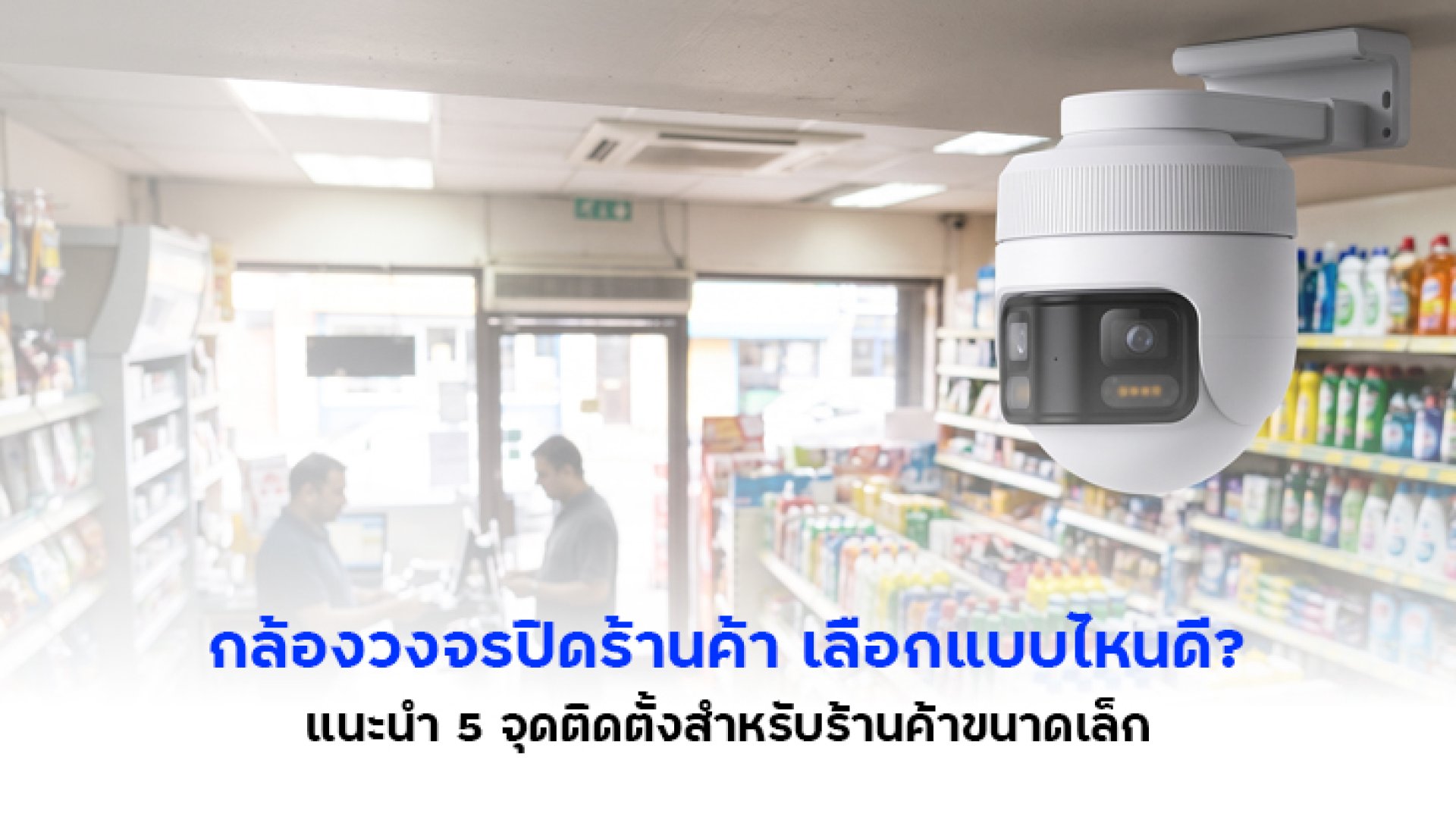
Running a small business involves more than managing products and serving customers. Security is another important factor that shop owners should never overlook. Whether you operate a convenience store, coffee shop, clothing boutique, or small retail store, you may not always be available to monitor every corner of your premises. Installing CCTV cameras for shops is a practical way to improve security, review recorded footage, and monitor activity even when you are away.
But how many cameras does a small shop actually need? Should you choose a pan-and-tilt camera or a wide-angle model? And where should you install your cameras to cover the most important areas without spending more than necessary? This guide explains how to choose the right CCTV cameras for shops and highlights five essential installation locations to help you get the most value from your security system.
Why Should Small Shops Install CCTV Cameras?
Some shop owners may think that a small store does not need a security camera system because the premises are compact, there are only a few employees, or the owner is usually present at the counter. However, CCTV cameras for shops offer more benefits than simply preventing theft. They also help monitor daily operations and review important incidents.
- Monitor suspicious activity: Review recorded footage when products go missing, customers leave belongings behind, or unexpected incidents occur.
- Monitor your shop remotely: Check live footage through a smartphone when your camera system and internet connection support remote viewing.
- Review daily operations: Monitor customer service areas and general workplace activities.
- Reduce blind spots: Keep an eye on areas that are difficult to monitor continuously, such as product shelves and rear entrances.
Installing CCTV cameras for shops does not mean you need to purchase a large number of devices. Start by assessing your premises and identifying the locations where camera coverage will make the biggest difference.
What Type of CCTV Cameras Are Best for Small Shops?
Before purchasing CCTV cameras for shops, consider the layout and environment of your premises. Different camera types offer different viewing angles and features. For most small retail stores, Wi-Fi indoor cameras with smartphone monitoring capabilities can be a convenient starting point.
1. Indoor Security Cameras
Indoor cameras are suitable for monitoring areas inside your shop, including checkout counters, product shelves, and customer service areas. They are generally easy to install, and some models can connect to Wi-Fi without requiring a traditional large-scale CCTV installation.
If you need wider coverage, consider CCTV cameras for shops with pan-and-tilt functionality or motion tracking. These features can help reduce blind spots inside the store. However, always check the actual rotation range and viewing angle before purchasing.
2. Wide-Angle and Pan-and-Tilt Cameras
Small shops often have limited floor space, so choosing CCTV cameras for shops with wider viewing angles can help you cover more of the premises. Pan-and-tilt cameras allow users to adjust the viewing direction remotely, while wide-angle cameras are useful for monitoring larger areas from a fixed position.
Keep in mind that a pan-and-tilt camera does not necessarily record every direction simultaneously. If you need continuous footage of several important areas, consider the camera's positioning and recording capabilities carefully.
3. Outdoor Security Cameras
If your shop has an outdoor entrance, parking area, or exterior walkway, choose CCTV cameras for shops specifically designed for outdoor installation. Check the product's dust and water resistance rating, such as IP66, according to the manufacturer's specifications.
Avoid installing indoor cameras outdoors without proper protection. Rain, humidity, and dust can damage equipment that is not designed for outdoor environments.
5 Essential CCTV Camera Installation Points for Small Shops
Camera placement is just as important as camera specifications. Even high-resolution CCTV cameras for shops may fail to capture useful footage if they are pointed in the wrong direction or blocked by shelves and other objects. Consider these five essential installation locations.
1. Main Entrance and Exit
The entrance is one of the first locations you should consider because customers and visitors pass through it throughout the day. Installing CCTV cameras for shops near the entrance helps monitor people entering and leaving the premises.
Choose an angle that clearly captures the entrance without excessive backlighting from doors or windows. If possible, position the camera to capture recognizable facial details rather than pointing it so high that it only records the tops of people's heads.
2. Checkout Counter
The checkout counter is another important location because it is where payments, cash handling, and product transactions take place. Installing CCTV cameras for shops in this area helps shop owners review incidents involving payment disputes or transaction errors.
Position the camera to cover the counter and transaction area appropriately. Avoid recording sensitive personal information unnecessarily, such as PIN codes, passwords, or private payment details displayed on screens.
3. Main Sales Floor and Product Shelves
Convenience stores, cosmetics shops, and clothing boutiques often have multiple product displays and aisles. When selecting CCTV cameras for shops for these areas, prioritize viewing angles that cover the aisles and shelves rather than pointing directly at products in a way that blocks visibility of the surrounding space.
If your shop has several rows of shelves, you may need more than one camera or a model with adjustable viewing angles to cover the main walkways effectively.
4. Storage Room and Inventory Area
The storage room is another location worth monitoring because it contains additional stock and equipment that may not be visible from the sales floor. Installing CCTV cameras for shops in this area helps monitor inventory movement, stock handling, and general storage conditions.
Choose a position that covers the entrance and main storage areas. Avoid placing cameras where tall shelves, cartons, or stored products can block the lens. You should also ensure that the area has sufficient lighting for clear recording.
5. Storefront and Parking Area
If your shop has an outdoor area or customer parking space, installing CCTV cameras for shops outside can help monitor activity around the building and record incidents that may happen outside business hours.
Choose outdoor-rated cameras with suitable weather protection. Adjust the viewing angle to cover the areas you need to monitor while avoiding unnecessary recording of neighboring homes or private property.
How Many CCTV Cameras Does a Small Shop Need?
The ideal number of CCTV cameras for shops depends on the store's size, shelf arrangement, and layout. There is no fixed number that works for every business, but the following table provides a useful starting point.
| Shop Size and Layout | Suggested Starting Number | Recommended Coverage |
|---|---|---|
| Very small shop | 1-2 cameras | Entrance and main sales area |
| Typical small retail shop | 2-3 cameras | Entrance, checkout counter, and product shelves |
| Shop with a separate storage room | 3-4 cameras | Entrance, checkout, sales floor, and storage area |
These figures are general recommendations rather than guaranteed coverage requirements. Walk through your premises and test the camera angles before installing your CCTV cameras for shops to avoid blind spots.
5 Things to Check Before Buying CCTV Cameras for Shops
Beyond the number of cameras and installation locations, there are several technical specifications you should consider to ensure your CCTV cameras for shops meet your business requirements.
- Image resolution: Choose a resolution suitable for the viewing distance and level of detail you need, such as identifying faces or monitoring activity around the checkout counter.
- Night vision: If your shop operates late or the lights are turned off after closing, check the camera's Night Vision capabilities and low-light performance.
- Video recording: Check whether the camera supports MicroSD cards or Cloud storage, including maximum storage capacity and your desired recording duration.
- Smartphone monitoring: Choose a model that supports a mobile application and appropriate access sharing for shop managers.
- Motion detection: This feature can notify you when activity is detected. Adjust the sensitivity and detection zones to reduce unnecessary alerts.
If you choose Wi-Fi CCTV cameras for shops, check the wireless signal strength at each installation point. Cameras placed far from the router or behind thick walls may experience connectivity issues.
Are IMILAB CCTV Cameras Suitable for Small Shops?
If you want to install CCTV cameras for shops without setting up a large surveillance system, indoor IP cameras with Wi-Fi connectivity and Mi Home app support are worth considering. They are particularly suitable for small businesses that want to monitor their premises through a smartphone.
For example, the IMILAB C21 offers 4MP or 2.5K resolution, making it a suitable option for users who need detailed footage in indoor areas. However, always check the specific model's features and compatibility with your existing setup before purchasing.
For larger shop interiors, you may consider cameras with Wi-Fi 6 support or models with viewing angles and tracking features suited to your store layout. For outdoor areas, choose products specifically designed for exterior installation rather than using indoor cameras as substitutes.
The key is to select CCTV cameras for shops based on the requirements of each location. You do not necessarily need the most feature-packed model for every area. Some locations may only require a wide viewing angle, while checkout counters may benefit more from detailed image quality.
Privacy Considerations When Installing CCTV Cameras in Shops
Installing CCTV cameras for shops also requires consideration of the privacy of customers, employees, and visitors. Cameras should be positioned appropriately for security purposes while avoiding areas where people have a reasonable expectation of privacy.
Shop owners should consider informing visitors that video surveillance is in use and managing access to recorded footage in accordance with applicable privacy regulations, including Thailand's Personal Data Protection Act (PDPA). Recorded footage should not be shared with unauthorized individuals without a legitimate reason.
Good camera placement is not simply about capturing as much footage as possible. It is about balancing security requirements with individual privacy rights.
Conclusion: Which CCTV Cameras Offer the Best Value for Small Shops?
For small businesses, choosing the right CCTV cameras for shops starts with identifying five important monitoring locations: the entrance, checkout counter, product shelves, storage room, and storefront. Then select the appropriate camera type for each area, such as indoor cameras for interior spaces and outdoor-rated cameras for exterior locations.
If you want a simple installation with smartphone monitoring, Wi-Fi cameras that support the Mi Home app can be a convenient option. They allow shop owners to check their premises without immediately investing in a large surveillance system. The most important considerations are suitable viewing angles, reliable recording, and proper coverage of high-priority areas.
Ultimately, the best CCTV cameras for shops are not necessarily the most expensive models or the ones with the highest camera count. They are the cameras installed in the right locations, helping shop owners monitor their businesses with greater confidence.
Frequently Asked Questions About CCTV Cameras for Shops
How many CCTV cameras does a small shop need?
A small shop can start with one or two cameras, focusing on the entrance and main sales area. If the store has a separate checkout counter or storage room, additional cameras may be needed to cover important areas.
Where should I install CCTV cameras in a shop first?
Start with the entrance and checkout counter. These locations are important for monitoring visitors and reviewing incidents related to daily transactions. You can then add cameras to product shelves and storage areas.
Can Wi-Fi security cameras be used in retail shops?
Yes. Wi-Fi cameras can be suitable for retail shops as long as the wireless signal is strong enough at the installation locations and the cameras support the required operating conditions. Check video recording options and storage capacity before purchasing.
Should I install indoor or outdoor CCTV cameras first?
It depends on your shop layout and security priorities. If you want to monitor customer activity and daily transactions, start with indoor cameras. If the entrance or storefront is a higher-risk area, consider adding outdoor cameras as well.
Can I monitor CCTV cameras in my shop through a smartphone?
Yes, provided that the cameras support internet connectivity and a compatible mobile application. Shop owners can monitor live footage remotely using a smartphone, subject to the camera system's operating requirements.