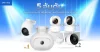
Buy an IMILAB Outdoor Security Camera – Can IP66 Withstand Heavy Rain? Complete Buying Guide (2026)

Are you planning to buy an IMILAB outdoor security camera but wondering whether it can survive heavy rain? If you've noticed the specification IP66 Weatherproof, you may also be asking yourself what it actually means and whether it truly provides reliable protection outdoors.
Many buyers focus on camera resolution such as 2K, 3K, or 4K, while overlooking one of the most important factors for outdoor installationweather resistance. A security camera installed outside your home, garage, storefront, warehouse, or office will constantly face rain, dust, strong winds, high humidity, and intense sunlight throughout the year.
Choosing a camera without adequate environmental protection can lead to moisture intrusion, fogged lenses, unstable performance, or even premature hardware failure. Replacing or repairing an outdoor camera is often far more expensive than choosing the right model from the beginning.
In this guide, we'll explain what the IP66 rating actually means, whether an IMILAB outdoor security camera can withstand heavy rain, and how proper installation plays an equally important role in ensuring long-term durability. You'll also learn what to look for before making your purchase so you can invest with confidence.
Why the IP66 Rating Matters When Buying an Outdoor Security Camera
Imagine installing a brand-new outdoor security camera. Everything works perfectly during the first few weeks. The image is crystal clear, motion detection functions as expected, and remote viewing works flawlessly from your smartphone.
Then the rainy season arrives.
After several days of continuous heavy rain, you begin noticing condensation inside the lens, blurry nighttime footage, or intermittent connection problems. In more severe cases, the camera may stop working altogether due to moisture reaching critical components.
These issues are not always caused by poor product quality. In many cases, they result from using equipment that wasn't designed for outdoor environments or from improper installation that leaves vulnerable connection points exposed to water.
This is why manufacturers use the internationally recognized Ingress Protection (IP) Rating. The IP rating indicates how well an electronic device is protected against dust and water, helping buyers choose the right product for the intended environment.
If you're considering an IMILAB outdoor security camera, understanding what IP66 actually means will help you make a more informed purchasing decision and compare different camera models based on real-world protection rather than marketing claims.
What Does IP66 Mean?
The Ingress Protection (IP) Rating is an international standard defined under IEC 60529. It measures how effectively an electronic device is protected against solid particles such as dust and against water exposure.
The two digits following "IP" each represent a different level of protection.
| Digit | Meaning |
|---|---|
| 6 | Complete protection against dust ingress. Dust cannot interfere with the device's normal operation. |
| 6 | Protection against powerful water jets and heavy rain from any direction under standardized testing conditions. |
In simple terms, an IP66-rated outdoor security camera is specifically designed to operate in harsh outdoor environments where exposure to rain, dust, and changing weather conditions is expected.
One of the biggest misconceptions is that waterproof means a device can be submerged underwater. In reality, IP66 does not certify underwater use. It is engineered to withstand heavy rain, splashing water, and high-pressure water jetsnot continuous immersion. If your application involves potential flooding or submersion, an IP67 or IP68-rated device would be a more appropriate choice.
Can IP66 Really Handle Heavy Rain?
For most residential and commercial outdoor installations, the answer is yes.
Countries with tropical climates frequently experience heavy rainfall, high humidity, strong winds, and intense UV exposure. Outdoor security cameras must be able to operate reliably under these demanding conditions throughout the year.
An IMILAB outdoor security camera with an IP66 rating is designed to withstand rain and airborne dust, making it suitable for outdoor installations such as front entrances, driveways, garages, gardens, retail shops, and warehouses.
However, even the highest-quality camera cannot compensate for poor installation practices. Long-term reliability depends not only on the camera itself but also on proper cable management, waterproof protection for connectors, and selecting the right mounting location.
What Tests Does IP66 Pass?
Many people assume that IP66 is simply a marketing label printed on the product box. In reality, it is an internationally recognized protection rating defined under the IEC 60529 standard, and products must pass specific laboratory tests before they can legitimately claim this certification.
These tests simulate real-world outdoor conditions, including exposure to dust and powerful water jets from multiple directions, ensuring that the device continues to operate normally after testing.
| Test Category | IP66 Rating | Real-World Benefit |
|---|---|---|
| Dust Protection | ★★★★★ | Complete protection against dust entering the enclosure. |
| Heavy Rain | ★★★★★ | Designed to withstand heavy rain and wind-driven water. |
| High-Pressure Water Jets | ★★★★★ | Resists water sprayed from multiple directions under standardized testing conditions. |
| Water Immersion | ✘ | Not intended for underwater use or prolonged submersion. |
This is why IP66 has become one of the most common protection ratings for outdoor security cameras, smart home devices, outdoor lighting, and other electronic equipment exposed to changing weather conditions.
Where Is an IP66 IMILAB Outdoor Security Camera Best Installed?
When installed correctly, an IP66-rated outdoor security camera can provide years of reliable operation in a wide range of residential and commercial environments.
- Front entrance
- Driveway
- Garage
- Parking area
- Retail storefront
- Warehouse entrance
- Garden
- Backyard
- Office building
- Small business premises
These locations are continuously exposed to rain, dust, sunlight, and fluctuating temperatures, making an IP66-rated camera a far better choice than a standard indoor security camera.
Will Heavy Rain Reduce the Lifespan of an Outdoor Security Camera?
Not necessarily.
Although an IP66-rated camera is designed for outdoor use, long-term durability depends just as much on proper installation as it does on the quality of the camera itself.
Many outdoor camera failures are actually caused by installation mistakes rather than weather exposure.
- Poor cable routing
- Exposed power or Ethernet connectors
- Water collecting around cable entry points
- Cables allowing rainwater to flow directly into connectors
- Worn or damaged rubber seals that are never inspected
Even a premium outdoor security camera can suffer moisture-related issues if water reaches the connectors or electrical components through improperly protected installation points.
5 Tips to Maximize the Lifespan of an IMILAB Outdoor Security Camera
1. Install Under an Eave Whenever Possible
Although IP66 cameras are built to withstand heavy rain, installing the camera beneath an eave or roof overhang reduces direct exposure to rain, sunlight, and UV radiation, helping extend the lifespan of external components and weather seals.
2. Create a Drip Loop for All Cables
Always leave a downward loop in the cable before it reaches the camera. This simple technique allows rainwater to drip off naturally instead of flowing directly toward connectors.
3. Protect Cable Connections
Use a waterproof junction box or weatherproof connector housing whenever Ethernet or power connections are exposed outdoors. Protecting the connectors is just as important as protecting the camera itself.
4. Avoid Continuous Water Impact
Do not mount the camera where water constantly pours from roof gutters or where high-pressure cleaning equipment regularly sprays the device. Continuous direct water impact may shorten the lifespan of external components over time.
5. Perform Routine Maintenance
Inspect the camera every six to twelve months. Clean the lens, remove accumulated dust, check mounting screws, inspect rubber seals, and ensure cable protection remains intact for optimal long-term performance.
IP66 vs IP67: What's the Difference?
| Feature | IP66 | IP67 |
|---|---|---|
| Dust Protection | ✔ | ✔ |
| Heavy Rain Resistance | ✔ | ✔ |
| Protection Against High-Pressure Water Jets | ✔ | ✔ |
| Temporary Water Immersion | ✘ | ✔ |
| Recommended for Outdoor Security Cameras | ✔ | ✔ |
| Suitable for Underwater Applications | ✘ | ✔ |
For most residential homes, offices, retail stores, and commercial buildings, an IP66-rated outdoor security camera provides more than enough protection against rain, dust, and typical outdoor weather conditions. Unless the device is expected to be submerged in water, IP67 generally offers little practical advantage for standard CCTV installations.
Should You Buy an IMILAB Outdoor Security Camera?
If you're looking for an outdoor security camera that combines high-resolution video, smart motion detection, remote smartphone access, and dependable weather protection, an IMILAB outdoor security camera with an IP66 rating is an excellent choice for homes and small businesses.
However, remember that even the best weatherproof camera cannot compensate for poor installation. Proper cable management, waterproof connector protection, and selecting an appropriate mounting location are essential for maximizing reliability and ensuring years of trouble-free outdoor performance.